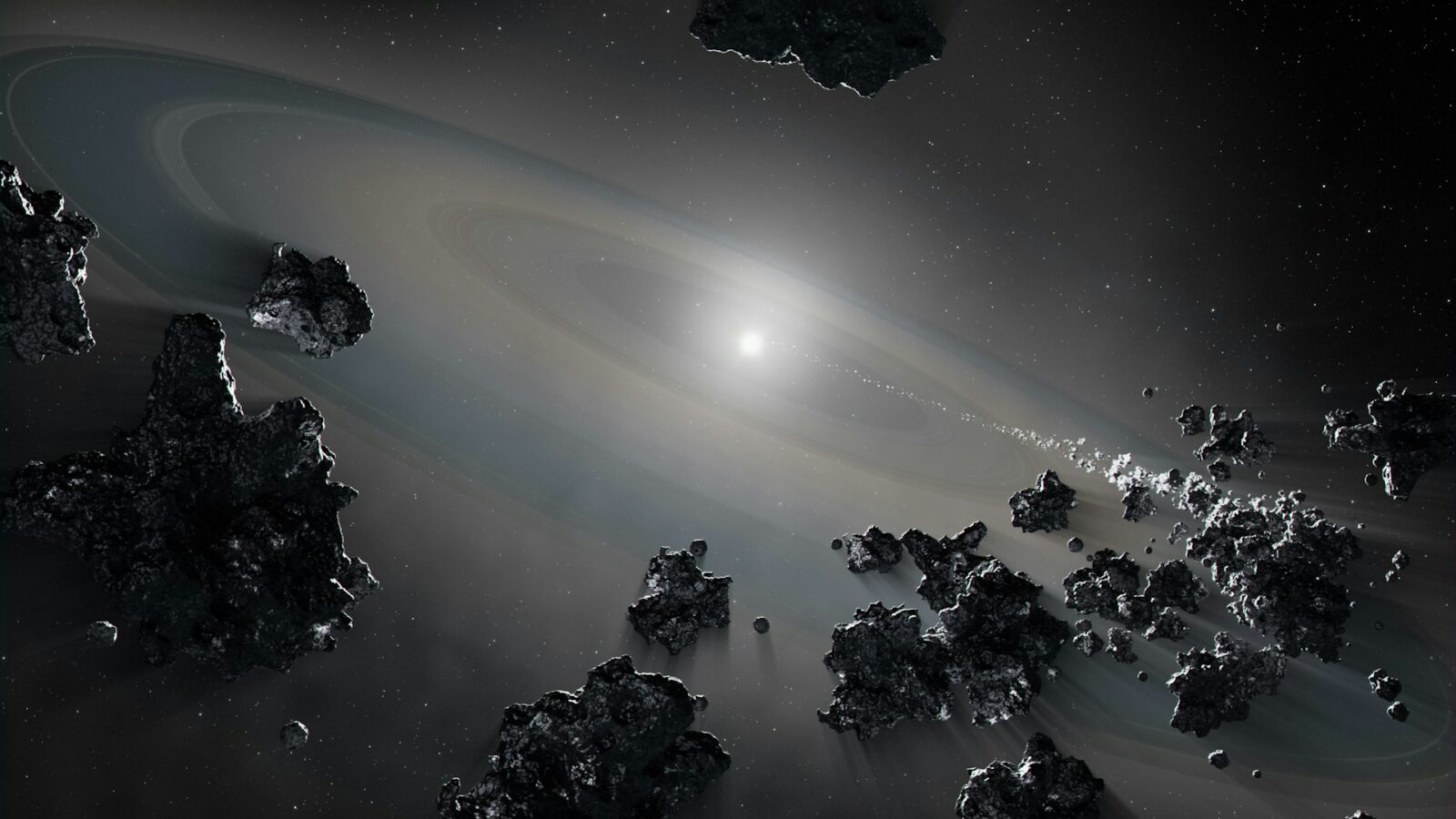
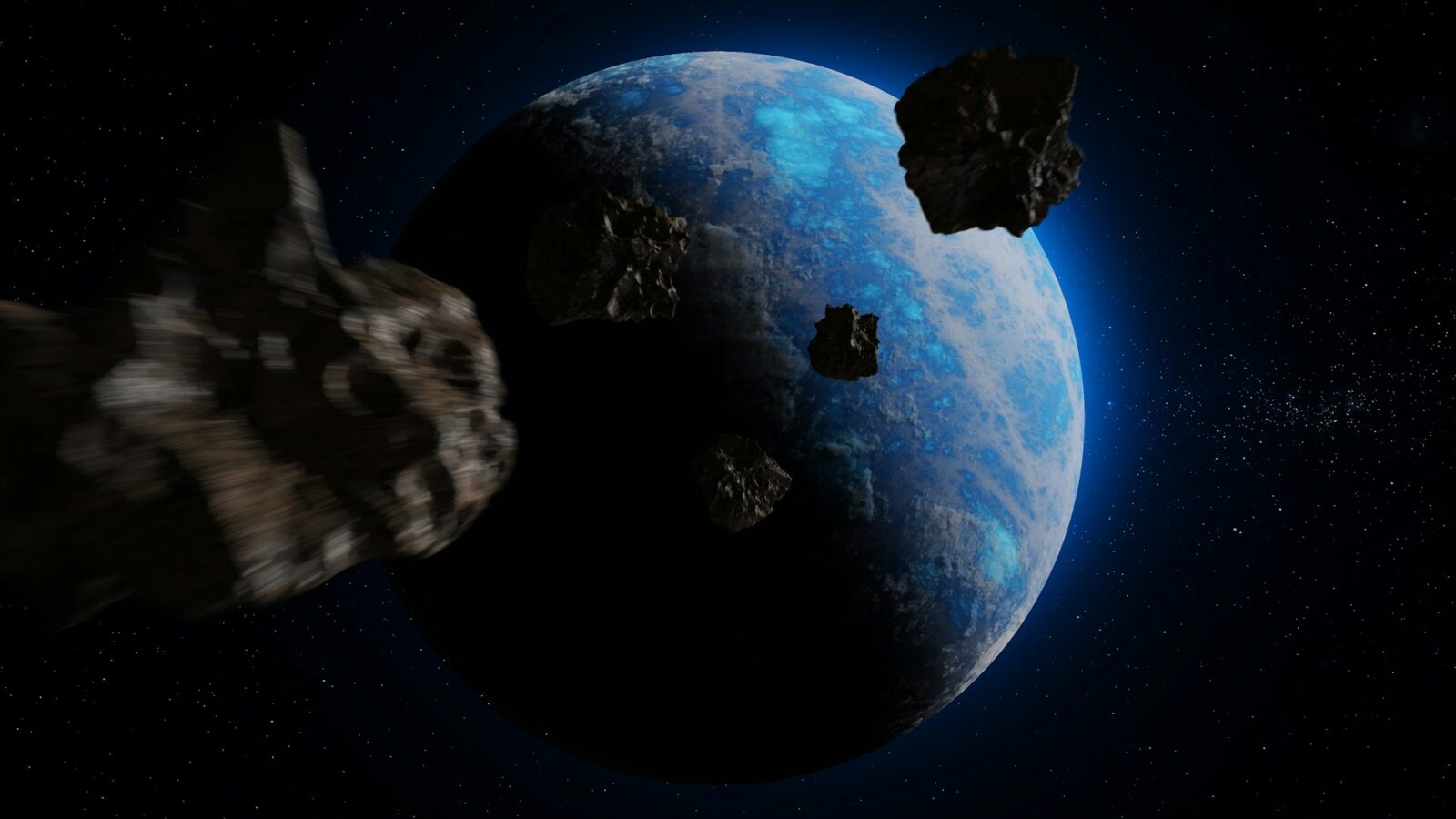
A groundbreaking study has recently illuminated the diverse compositions of objects residing within the asteroid belt, providing significant insights into the origin and evolution of these intriguing celestial bodies. Utilizing comprehensive data collected from both ground-based observatories and advanced space telescopes, an international team of researchers conducted a meticulous analysis of the spectral signatures emitted by a wide array of asteroids.
Published in the prestigious journal Astronomy & Astrophysics, the study unveils a wealth of information about various asteroid families scattered throughout the asteroid belt. By scrutinizing the unique spectral patterns reflected from these asteroids, scientists have discerned distinct differences in mineral composition, surface textures, and structural characteristics among different groups of asteroids. These revelations are crucial for understanding the complex processes that shaped the early solar system and continue to influence celestial dynamics today.
Among the findings, researchers identified asteroid families enriched with metallic elements, indicating remnants of primordial materials that may provide clues to the solar system’s formation. Conversely, carbonaceous asteroids, known for their dark surfaces and rich organic content, suggest potential reservoirs of water and organic compounds that could hold valuable resources for future space exploration missions.
Dr. Emily Chang, lead author of the study from the International Space Research Institute (ISRI), highlights the significance of these findings: “Our study not only enhances our understanding of the asteroid belt’s diversity but also underscores the potential of these objects as key targets for future exploration and resource utilization efforts.”
The research team’s rigorous approach involved detailed spectroscopic analyses combined with sophisticated computational models to unravel the intricate chemical compositions and geological histories of these asteroids. Such insights pave the way for future missions to investigate and potentially exploit these celestial bodies for scientific exploration and space resource utilization.