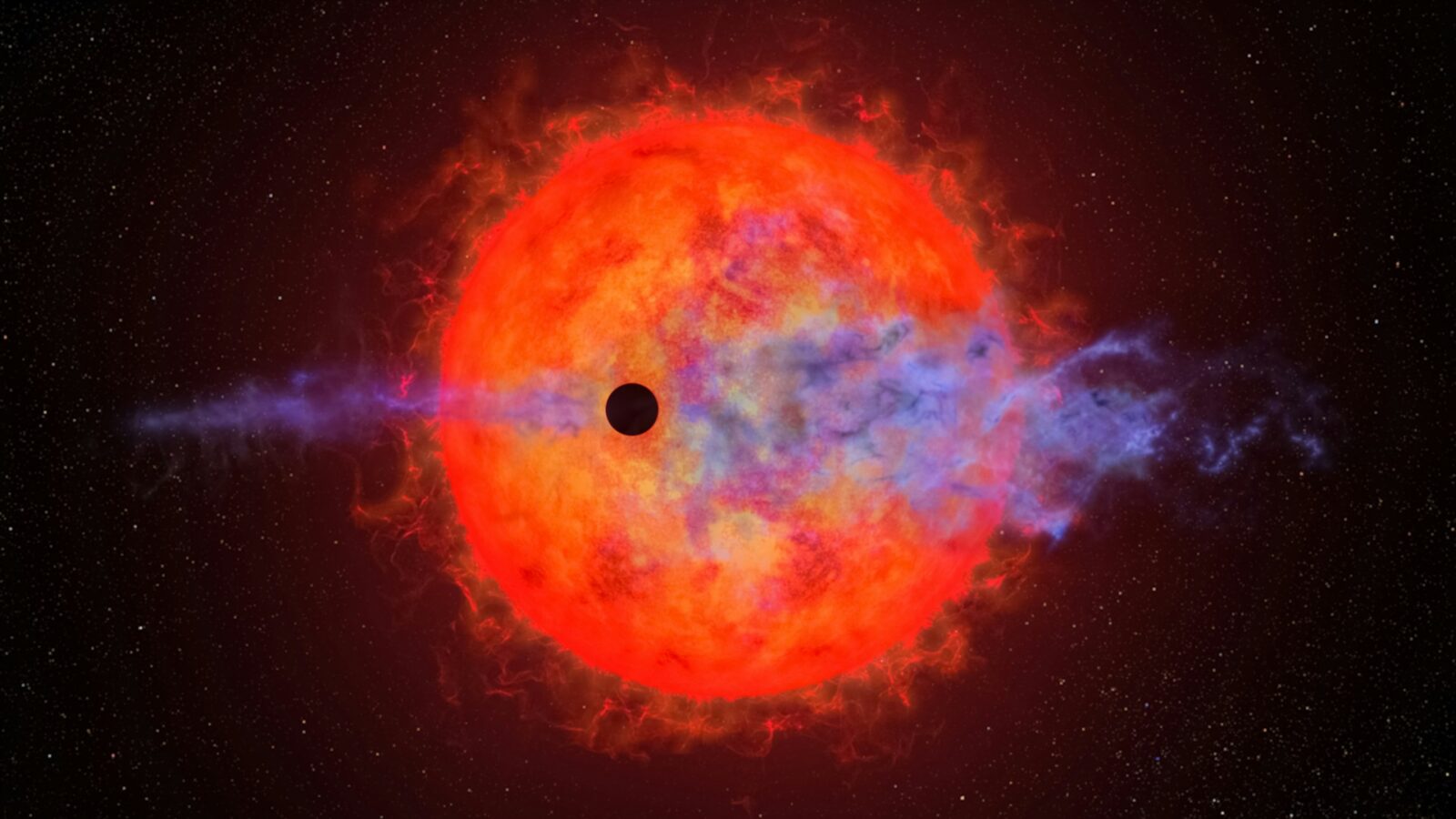

In a groundbreaking discovery, astronomers have unveiled new insights into the mysteries of the universe by studying supernova remnants scattered across galaxies. Using advanced telescopes and observatories, researchers have meticulously analyzed the spectral emissions and X-ray signatures emitted by these cosmic remnants.
Published in the journal Nature Astronomy, the study highlights the profound implications of these findings on our understanding of stellar evolution and the dynamics of galactic ecosystems. By deciphering the unique spectral fingerprints of various supernova remnants, scientists have identified crucial elements like iron, oxygen, and silicon strewn across vast interstellar regions.
These revelations offer unprecedented glimpses into the explosive deaths of massive stars and the subsequent dispersal of heavy elements crucial for planetary formation. Dr. Sarah Nguyen, lead researcher at the Galactic Research Institute (GRI), emphasizes the significance of these discoveries: “Studying supernova remnants allows us to trace the history of cosmic events that shape the evolution of galaxies and enrich the interstellar medium with essential building blocks of life.”
The study’s findings underscore the pivotal role of supernova remnants as cosmic laboratories, revealing insights into the elemental makeup of the universe and its ongoing evolution. Future missions and observatories are poised to further explore these remnants, unraveling more cosmic secrets hidden within the vast expanse of space.