Space exploration continues to captivate humanity’s imagination, offering glimpses into the vast expanse beyond our planet and unraveling the mysteries of the cosmos. From pioneering missions to distant planets to studying the remnants of exploded stars, the quest to understand space has led to groundbreaking discoveries and reshaped our view of the universe.
NASA’s ambitious missions, such as the Mars rovers and the Hubble Space Telescope, have provided unprecedented insights into planetary geology, distant galaxies, and cosmic phenomena. These missions have expanded our knowledge of planetary formation, the evolution of stars, and the potential for life beyond Earth.
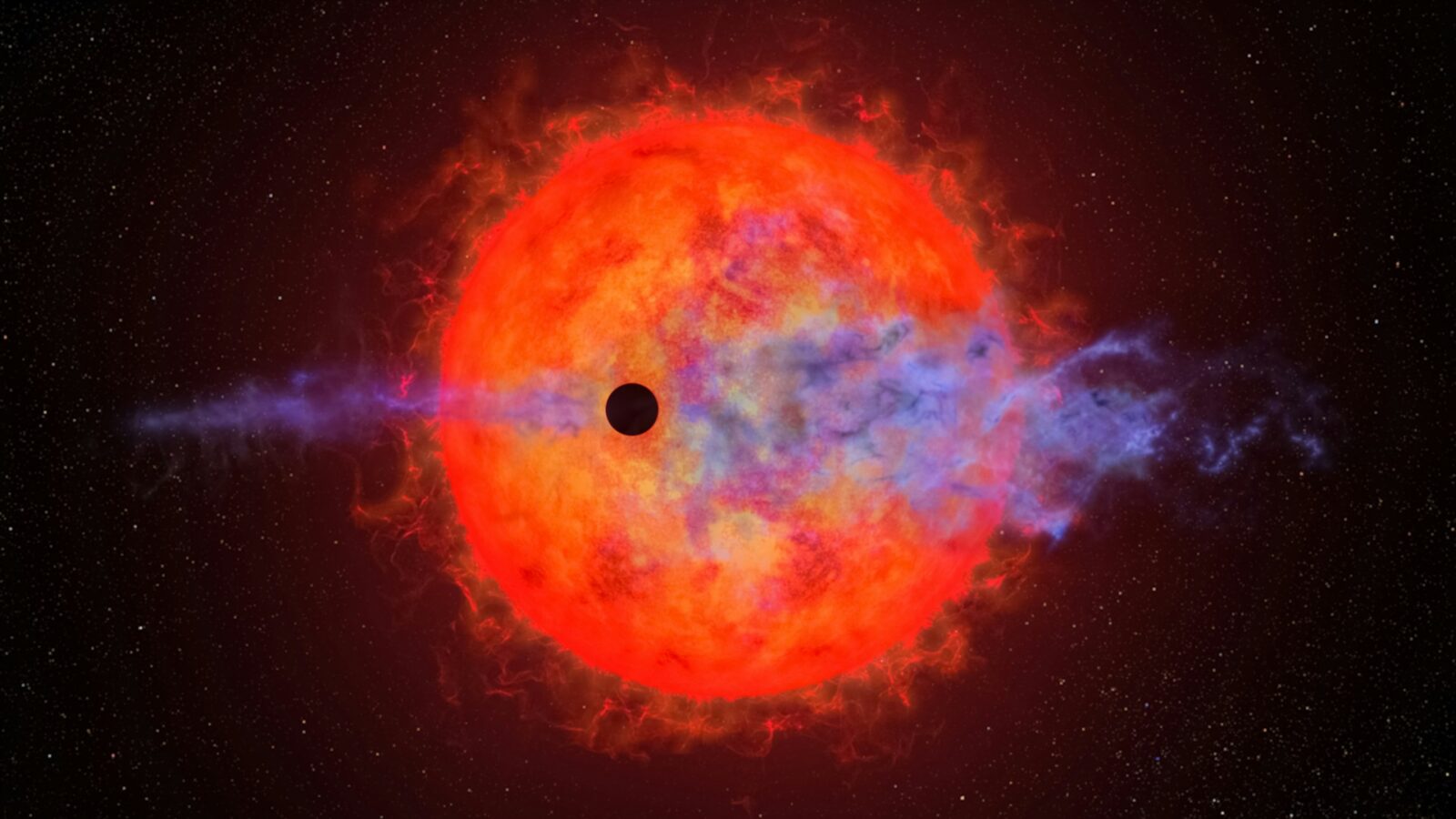
One of the most significant achievements in recent years has been the discovery of exoplanets — planets orbiting stars outside our solar system. Telescopes like Kepler and TESS have identified thousands of exoplanets, some of which may harbor conditions suitable for life.
Furthermore, space exploration has advanced our understanding of fundamental physics and cosmology. Observatories like the James Webb Space Telescope promise to peer deeper into the universe’s origins, probing the mysteries of dark matter, dark energy, and the early moments after the Big Bang.
Dr. Emily Rodriguez, astronomer at the European Space Agency (ESA), reflects on the impact of space exploration: “Studying space allows us to glimpse our place in the cosmos and understand how the universe operates on a grand scale. Each mission and observation brings us closer to answering fundamental questions about our existence.”
As technology continues to evolve, future space missions aim to explore icy moons, asteroids, and even send humans back to the Moon and onward to Mars. The quest for knowledge in space exploration remains a testament to humanity’s curiosity and ambition to explore the unknown.